High & Low Temp Universal Testing Machine | RS-8000GDW
High & Low Temp Universal Testing Machine | RS-8000GDW
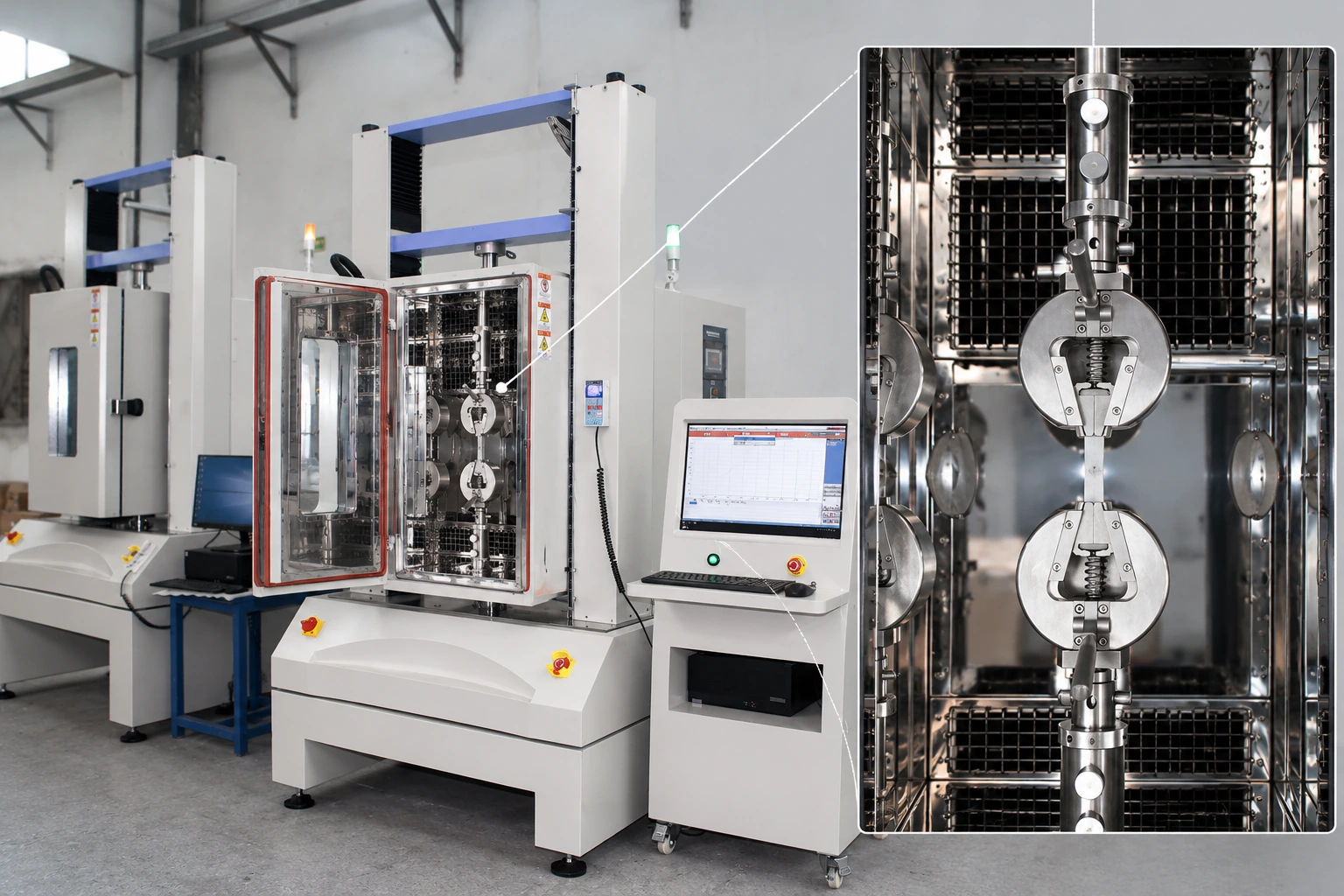
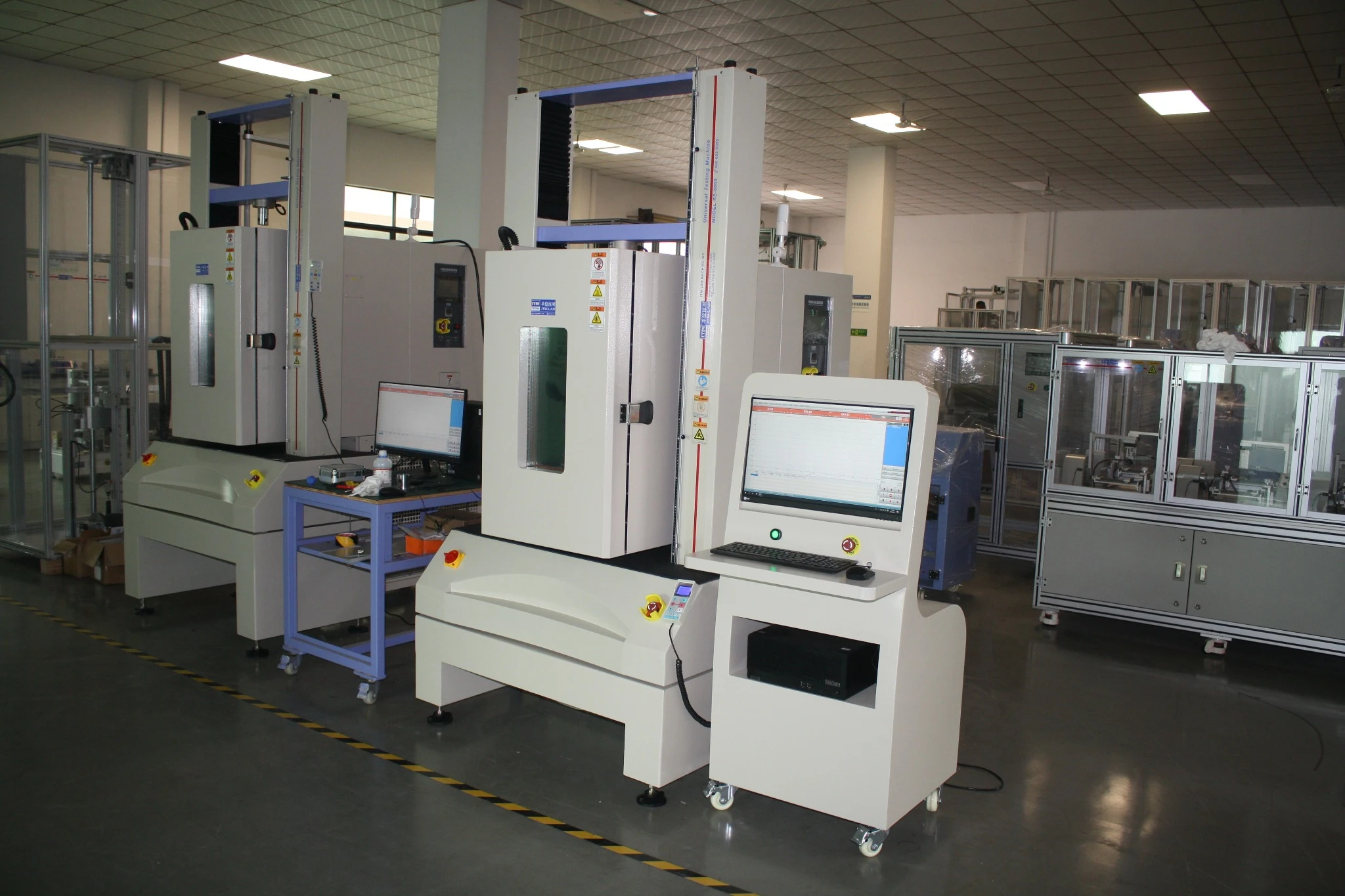
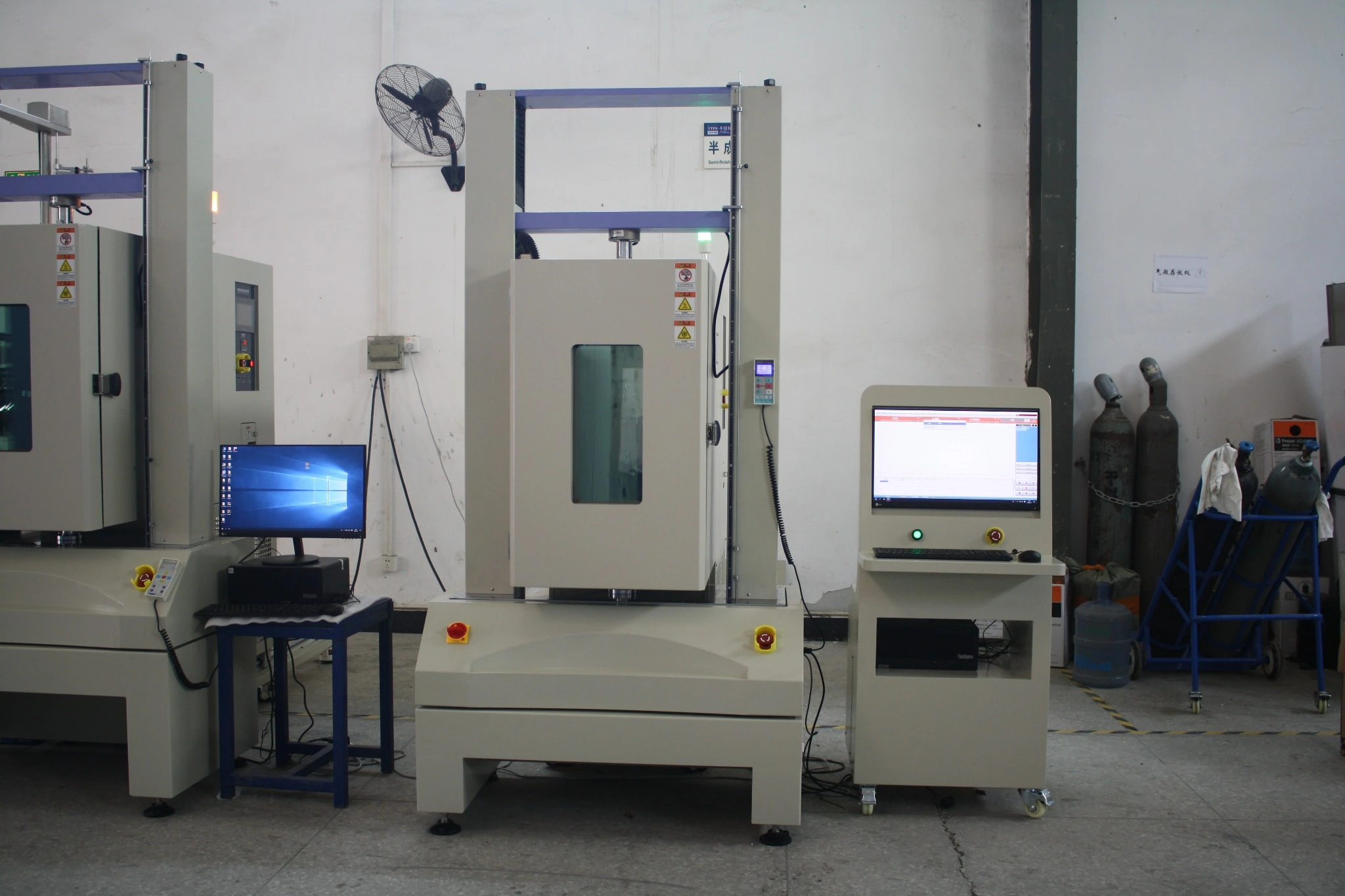
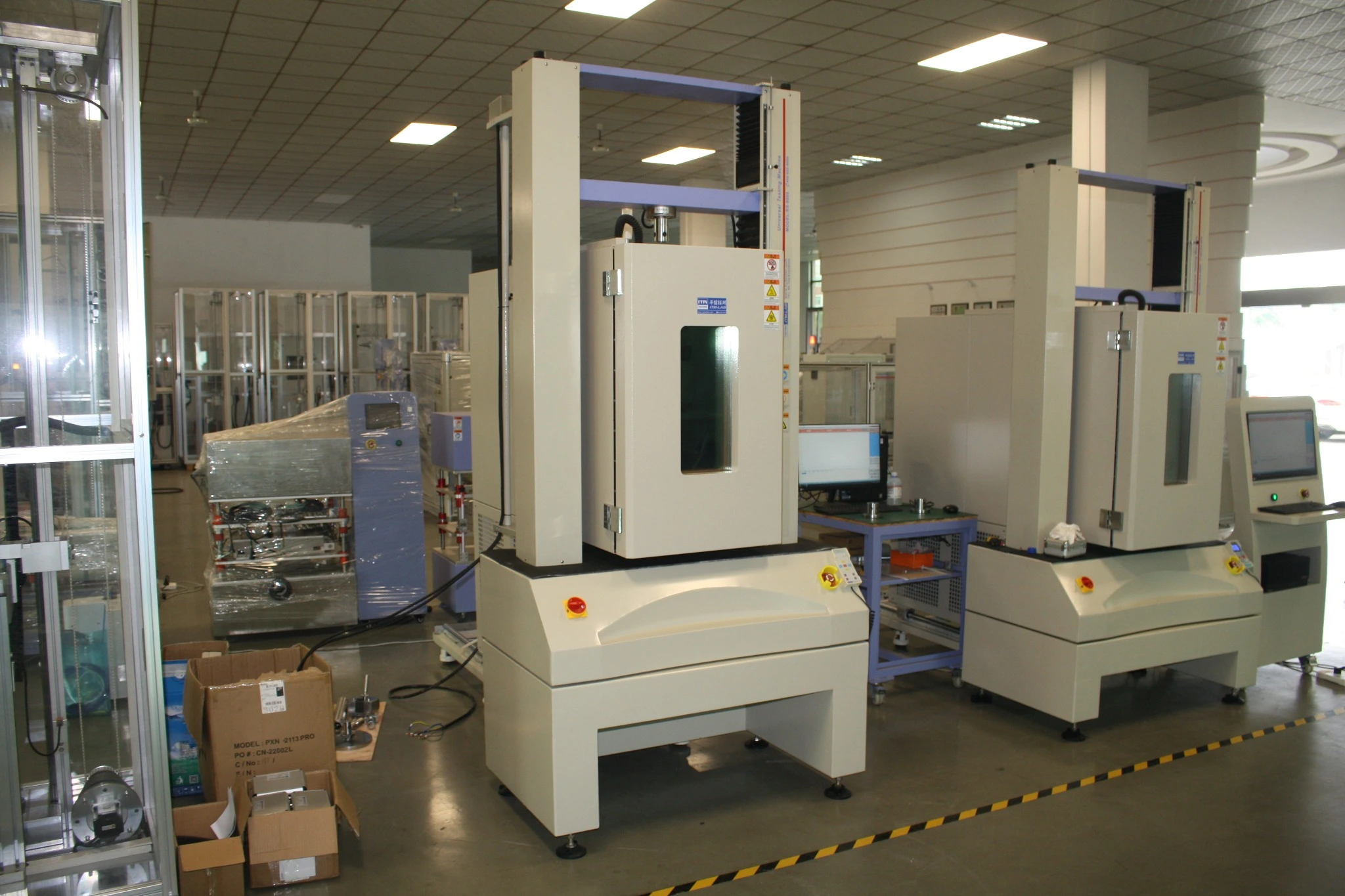
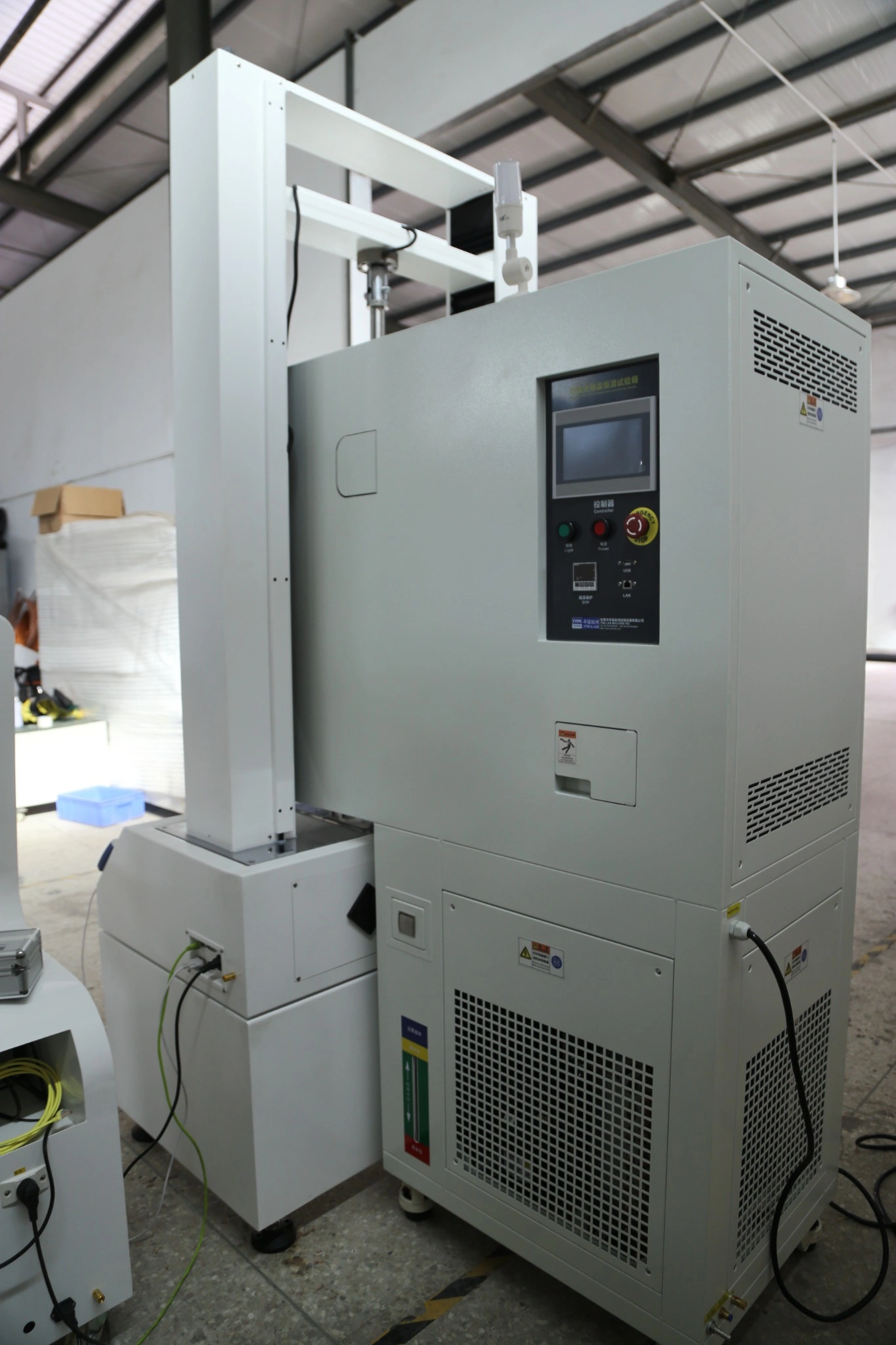
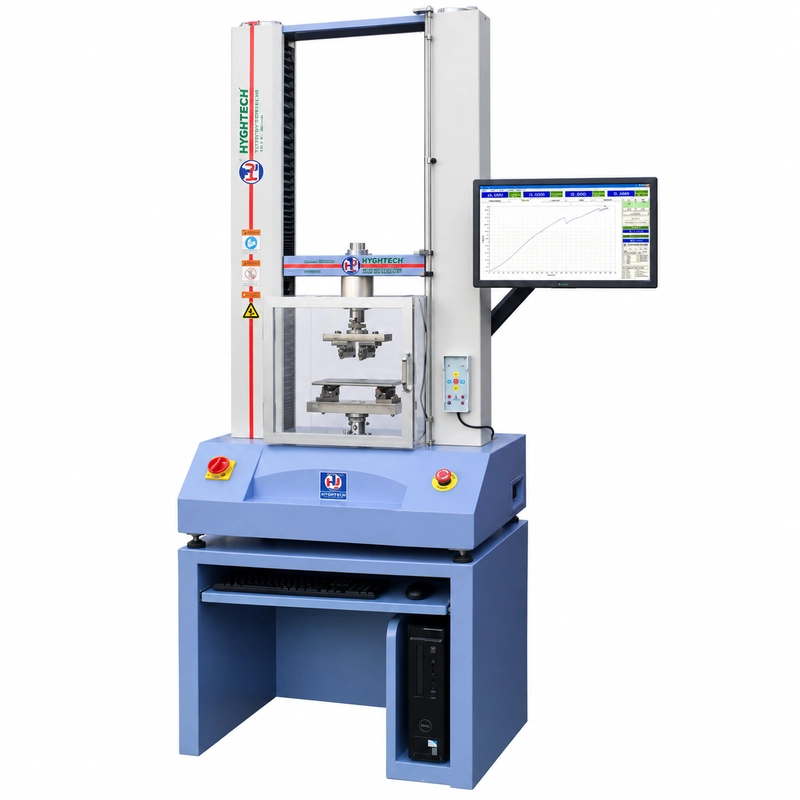
The RS-8000GDW High & Low Temperature Universal Testing Machine integrates an environmental chamber for tensile, compression, bending and other mechanical tests. Standard temperature range: −40°C to +150°C; customized configurations available. Features 500 N–50 kN load capacities and Class 0.5 accuracy.
Share:
Precision Mechanical Testing Under Controlled Temperature Conditions
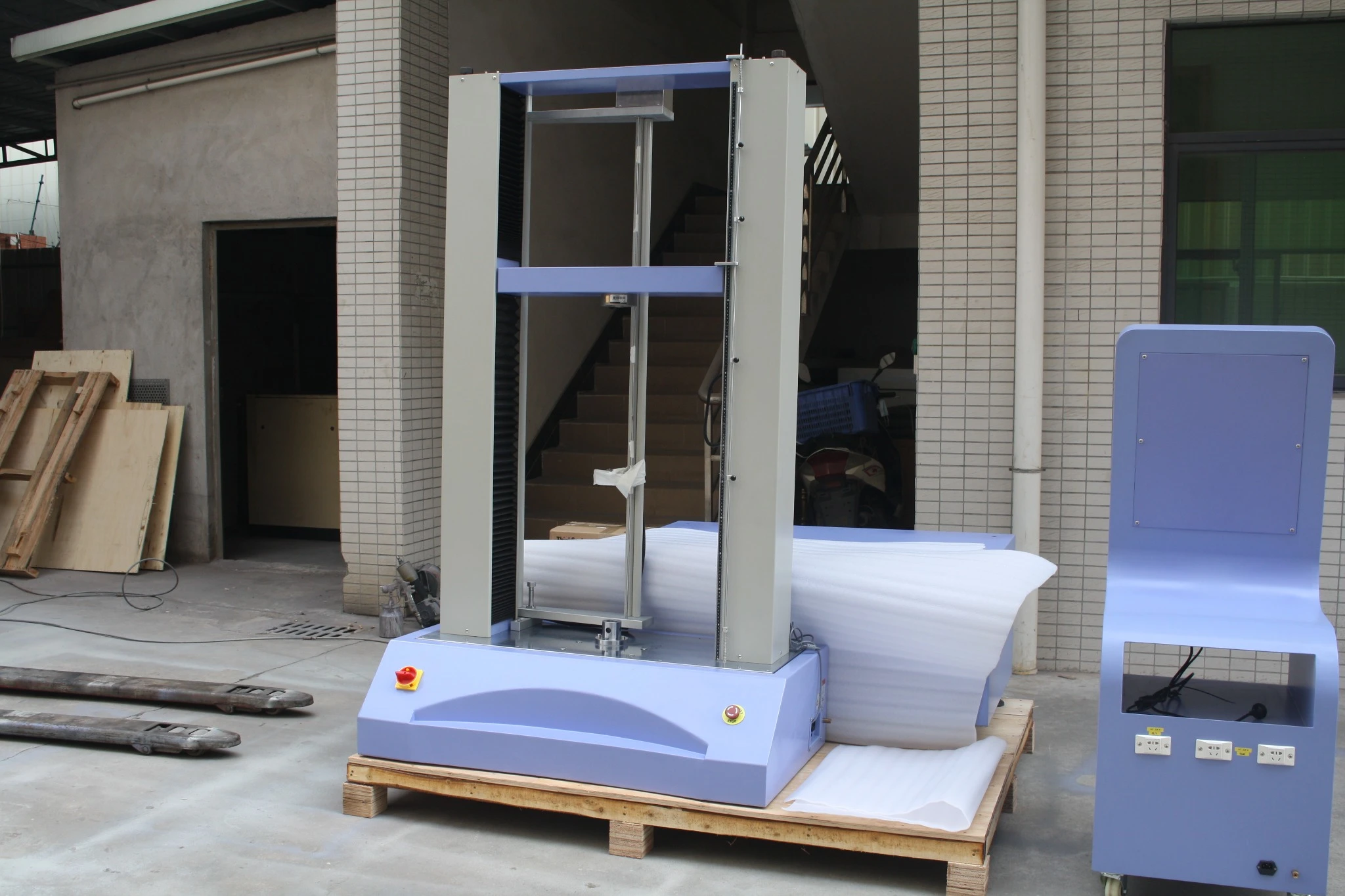
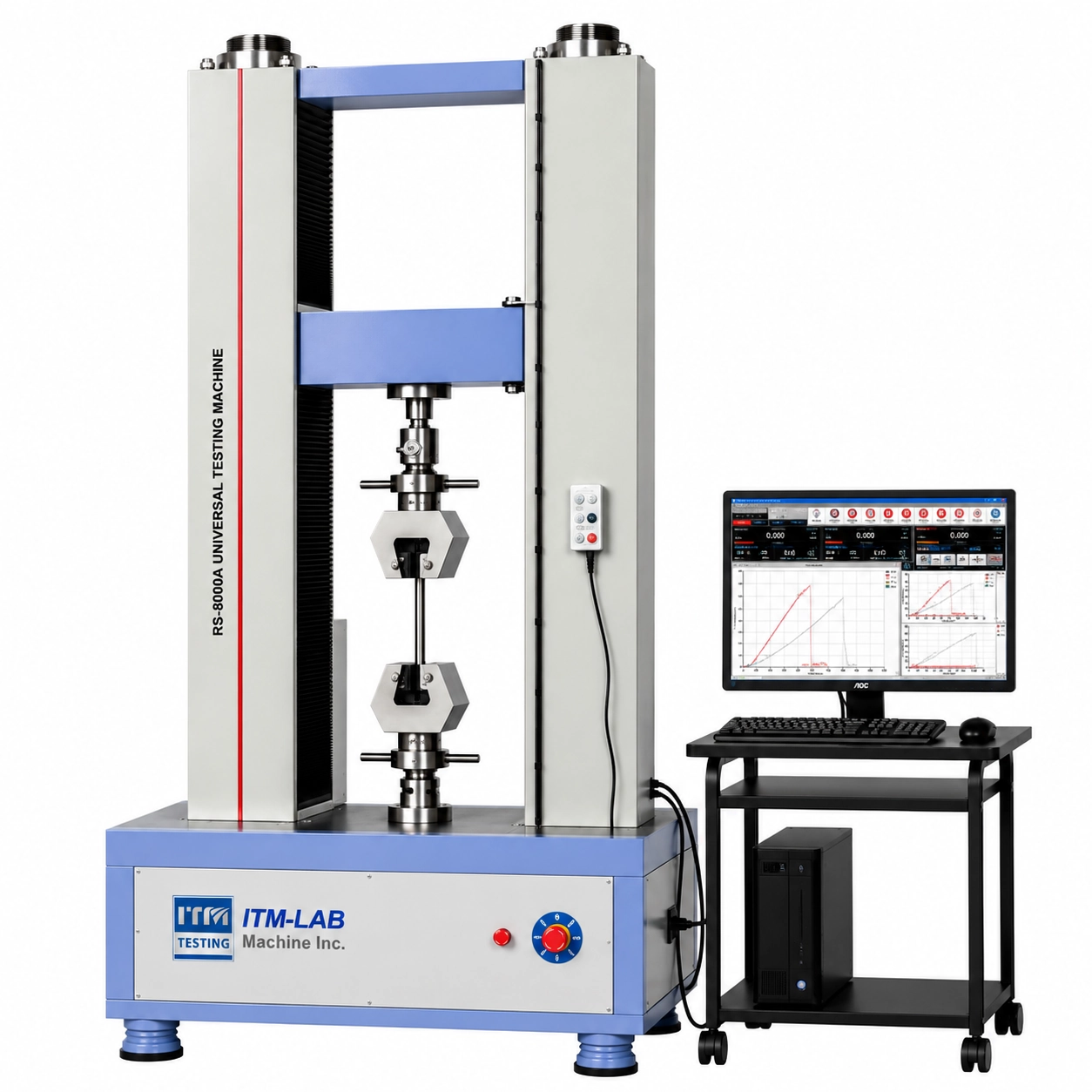
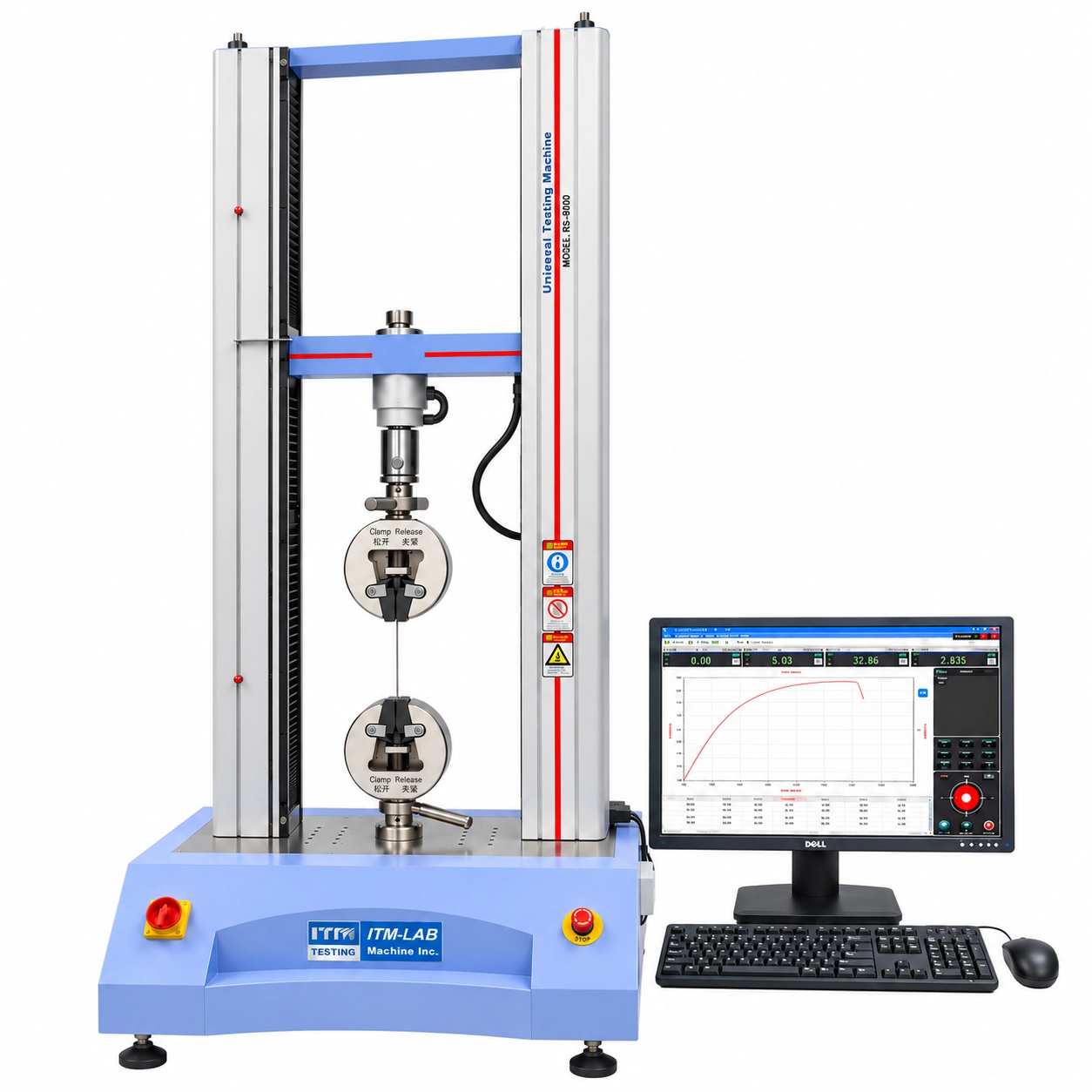
The ITM-LAB RS-8000GDW Series combines a precision AC servo-driven universal testing machine with an integrated environmental chamber for evaluating the mechanical properties of materials under controlled temperature conditions.
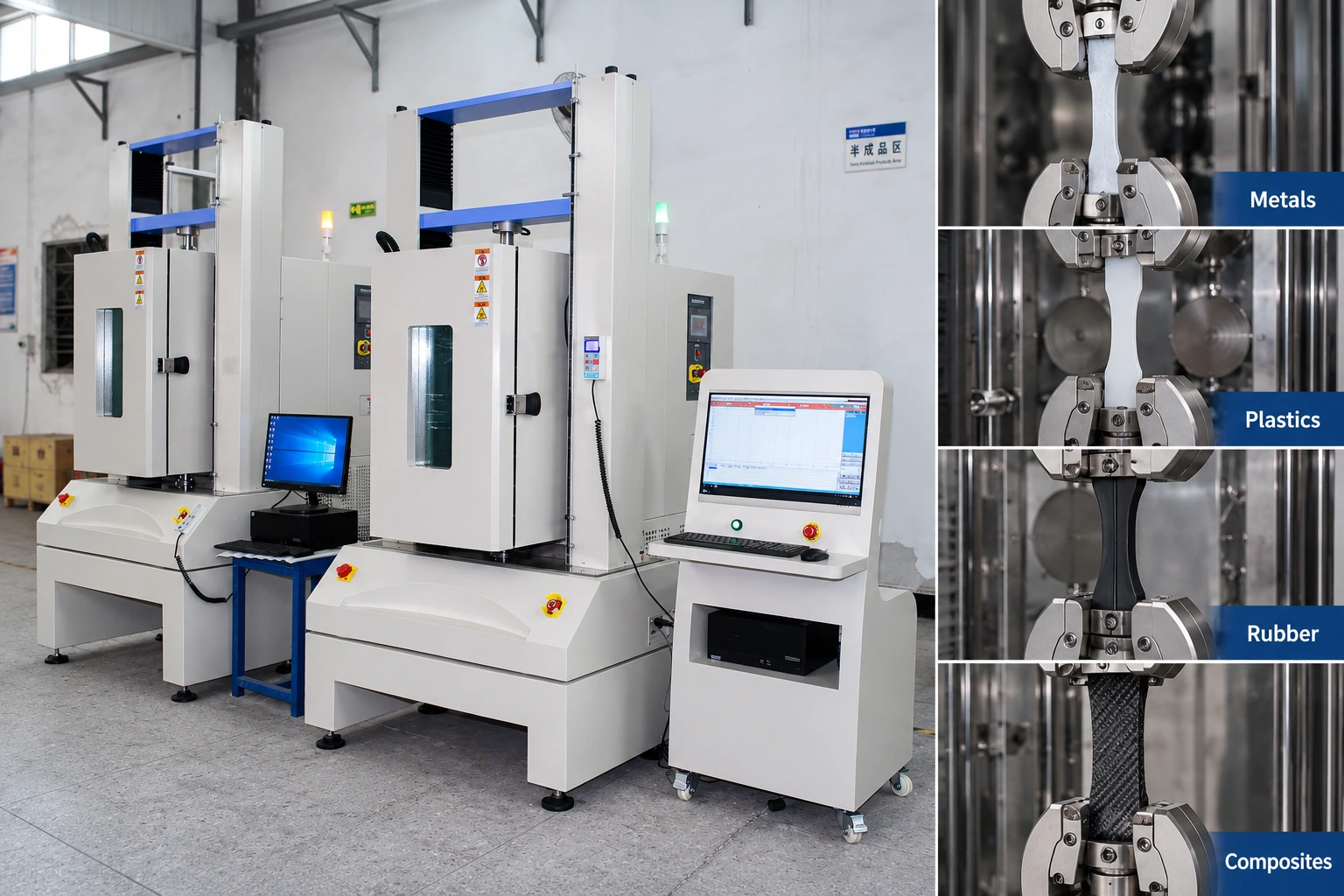
Designed for tensile, compression, bending, peel, shear and tear testing, the system enables engineers to investigate how elevated and sub-zero temperatures affect material strength, deformation and failure behavior. It is suitable for material research, product development and quality control involving metals, plastics, rubber, composites and electronic materials.
The standard RS-8000GDW configuration provides a temperature range of –40°C to +150°C, with additional temperature configurations available to meet specialized testing requirements.
Key Performance Highlights
Temperature Range
Load Cell Capacity
Accuracy Class
Force Resolution
–40°C to +150°C (Standard)
500 N–50 kN
Class 0.5
1/500,000
Mechanical Testing Beyond Room Temperature
Material strength, stiffness and elongation can change significantly under elevated or sub-zero temperatures, making temperature-controlled testing essential for evaluating real-world material performance.
The RS-8000GDW combines mechanical loading with an integrated environmental chamber, enabling engineers to evaluate temperature-dependent material behavior under controlled test conditions without transferring specimens between separate systems.
Features & System Design
Precision Mechanical Loading and Force Measurement
The RS-8000GDW combines AC servo drive and precision ball screw transmission for controlled mechanical testing. It offers Class 0.5 accuracy, ±0.25% of indicated force accuracy, and 1/500,000 force resolution, with selectable load capacities from 500 N to 50 kN.
The standard test speed is 0.001–500 mm/min, with an alternative 1–1000 mm/min configuration. Interchangeable grips and fixtures support tensile, compression, bending, peel, shear and tear testing.
Integrated Environmental Chamber and Temperature Control
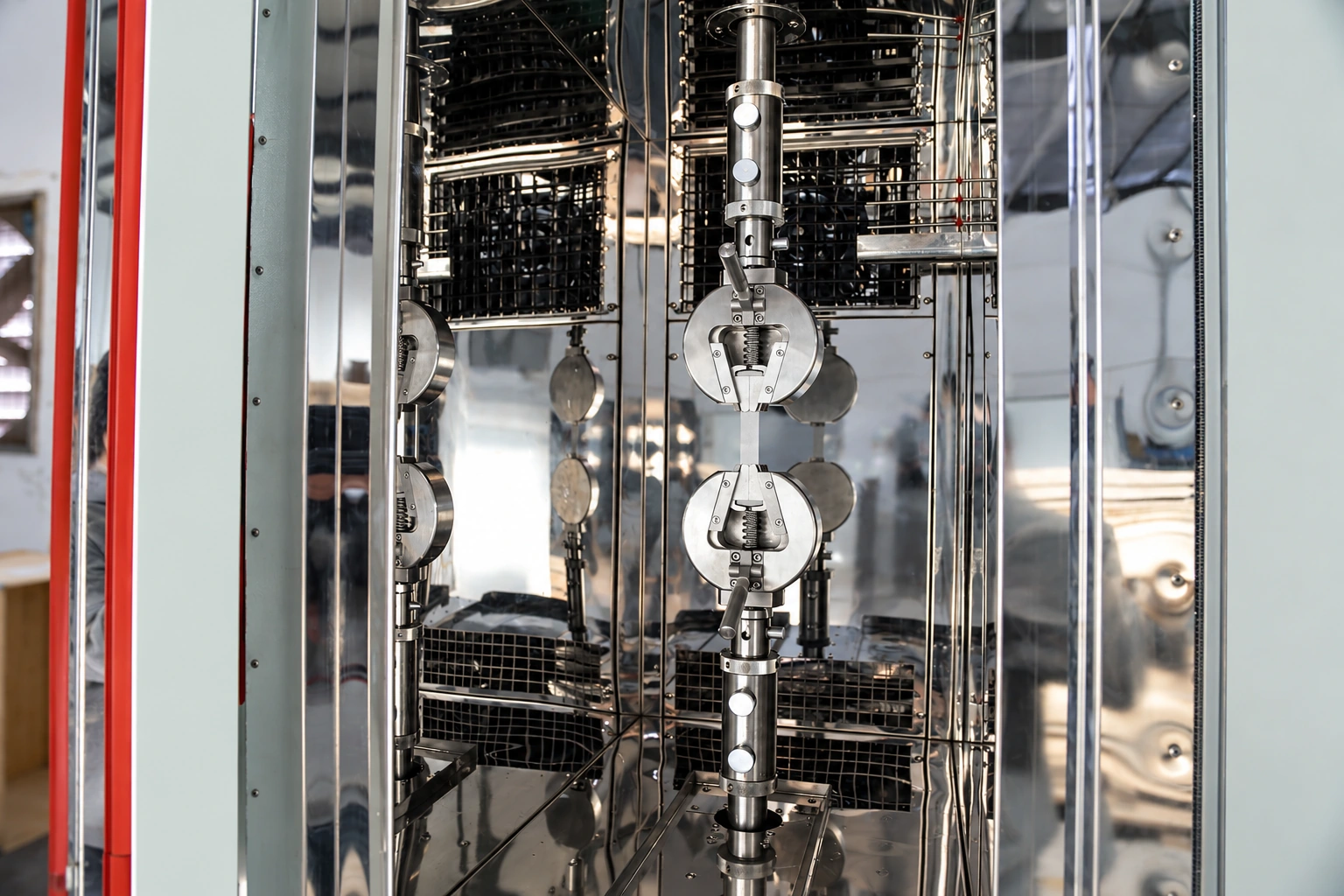
The integrated chamber uses PID auto-tuning with SSR control, providing ±2°C temperature control accuracy and 0.1°C resolution. Forced-air circulation supports temperature distribution during testing.
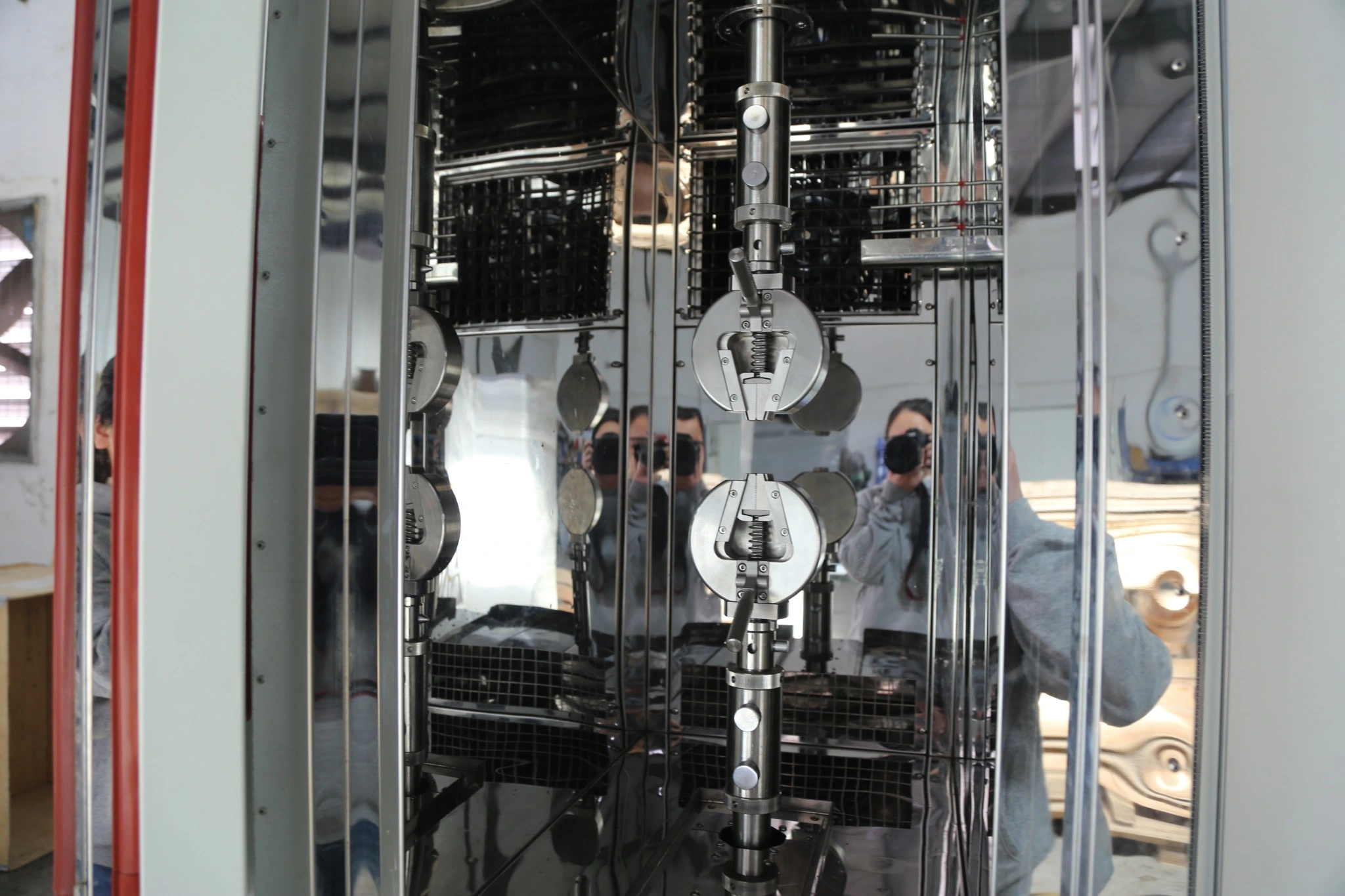
Its SUS304 stainless steel interior, 180 × 220 mm double-layer vacuum observation window, and W300 × D350 × H600 mm standard inner chamber provide a controlled testing environment. Chamber dimensions can be customized to accommodate different specimens and fixtures.
Temperature-Compatible Testing Configuration
The RS-8000GDW supports application-specific grips, fixtures and extensometers selected according to specimen requirements and test conditions. Specimen conditioning and temperature verification should follow the applicable test method to ensure reliable results, as chamber setpoint and actual specimen temperature may differ.
Testing Applications
The RS-8000GDW supports temperature-controlled mechanical testing of various materials, with configurations tailored to specimen geometry, test temperature, expected load and applicable standards.
Material
Typical Testing Applications
Metals & Alloys
Tensile strength, yield strength, elongation, high- and low-temperature tensile testing
Plastics & Polymers
Tensile, compression and flexural testing; temperature-dependent strength and deformation
Rubber & Elastomers
Tensile strength, elongation, tear resistance and low-temperature mechanical performance
Composite Materials
Tensile, compression and flexural testing under specified temperature conditions
For automotive applications, the system can be used to investigate the mechanical performance of polymers, rubber and other component materials under specified temperature conditions. In aerospace and industrial material research, it supports the evaluation of temperature-dependent strength and deformation behavior.
Universities, research institutes and third-party testing laboratories can also configure the system for different materials and mechanical testing methods.
Applicable Test Standards
The RS-8000GDW can be configured to support mechanical testing according to applicable ASTM, ISO, GB and customer-specific procedures.
Relevant testing methods include:
Standard
Test Method
ASTM E8/E8M
Tension Testing of Metallic Materials
ASTM E21
Elevated Temperature Tension Tests of Metallic Materials
ISO 6892-1
Metallic Materials — Tensile Testing at Room Temperature
ISO 6892-2
Metallic Materials — Tensile Testing at Elevated Temperature
ISO 6892-3
Metallic Materials — Tensile Testing at Low Temperature
ASTM D638
Tensile Properties of Plastics
ISO 527 Series
Tensile Properties of Plastics and Composites
ASTM D412
Tensile Properties of Vulcanized Rubber and Thermoplastic Elastomers
ASTM D790
Flexural Properties of Plastics
ISO 178
Determination of Flexural Properties of Plastics
The suitability of each test method depends on the selected machine configuration, temperature range, grips, extensometer and specimen requirements. Standard applicability should be confirmed against the required edition and testing procedure
Temperature Configurations & Model Selection
The RS-8000GDW Series offers different temperature configurations for high-temperature, low-temperature and combined thermal testing.
The standard RS-8000GDW model operates from –40°C to +150°C. Other models are available for applications requiring extended low-temperature or elevated-temperature conditions.
Model
Temperature Range
Configuration
RS-8000-GW
Ambient to +250°C
High Temperature
RS-8000-DW
Ambient to –40°C
Low Temperature
RS-8000-CDW
Ambient to –70°C
Extended Low Temperature
RS-8000-GDW
–40°C to +150°C
Standard High & Low Temperature
RS-8000-CGDW
–70°C to +200°C
Extended High & Low Temperature
Customized temperature configurations are available subject to engineering evaluation. An extended temperature requirement involving –70°C and +250°C must be confirmed as a specific system configuration before ordering.
Model selection should consider not only the target temperature range but also the specimen dimensions, required testing force, gripping arrangement and strain measurement method.
Technical specifications are based on the stated product configurations. Customized requirements and final system specifications should be confirmed before ordering.
Testing Software & Data Analysis
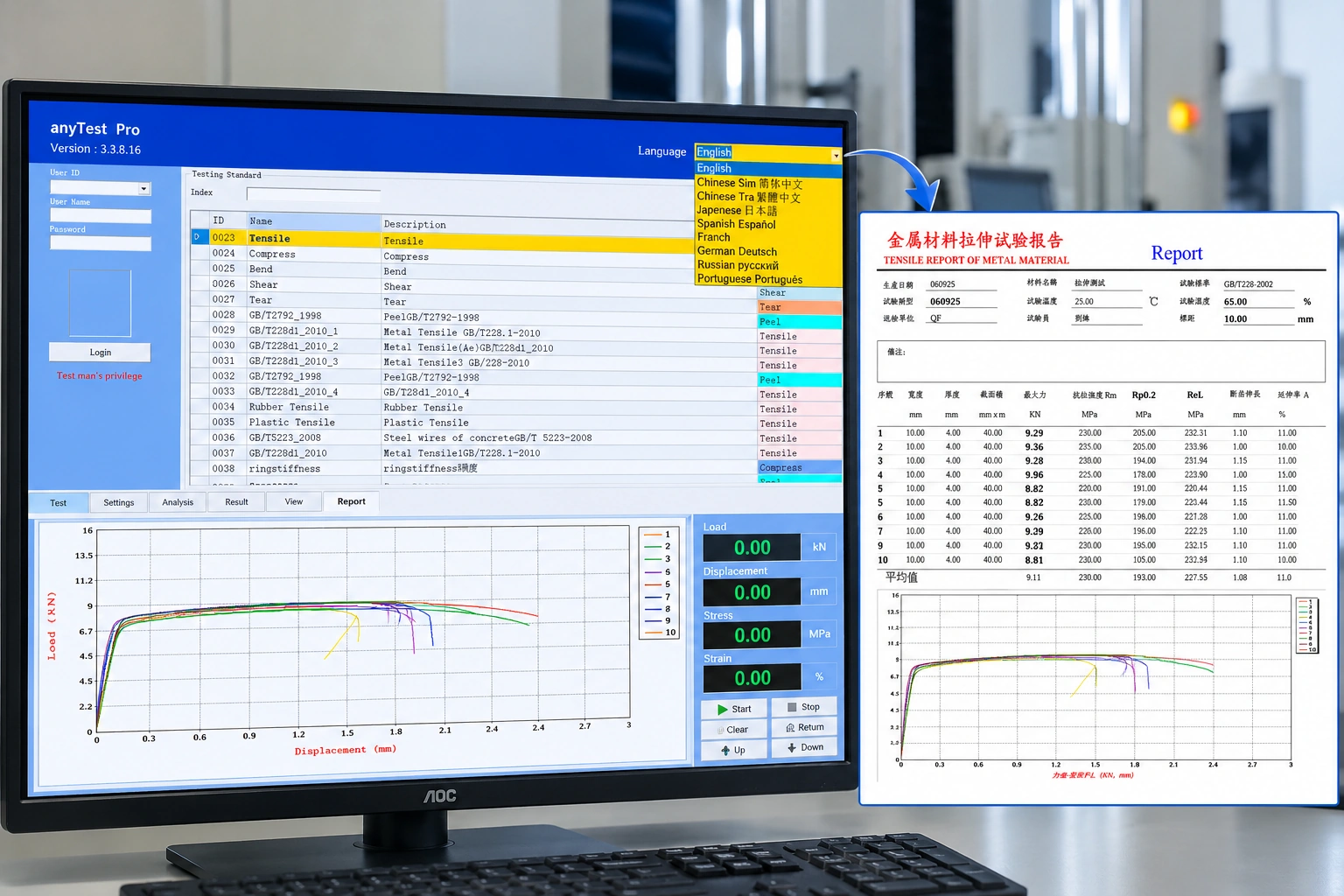
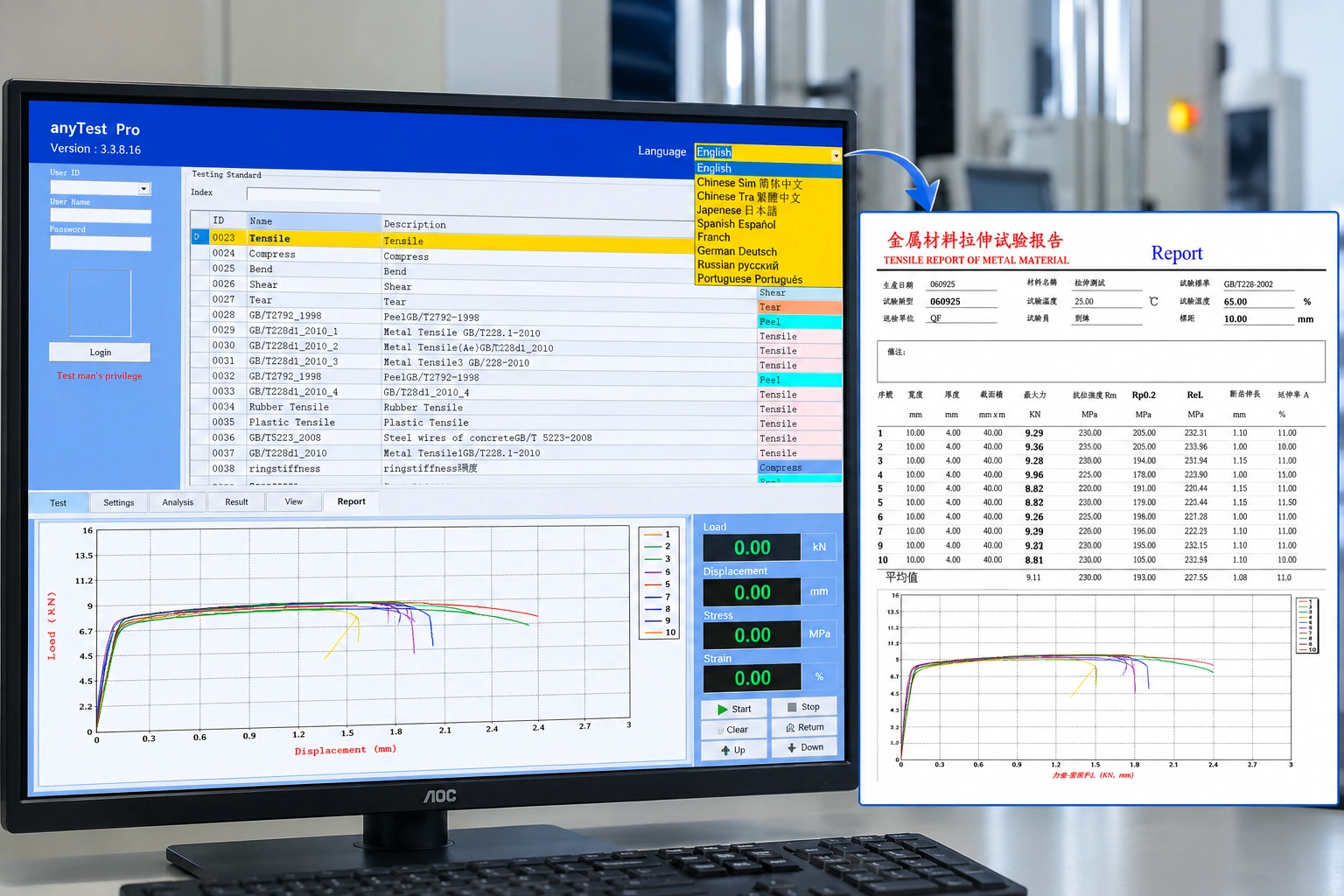
The RS-8000GDW is equipped with professional testing software for test control, real-time data acquisition, analysis and report generation.
The software supports force–displacement, stress–strain, force–time and displacement–time curves, allowing engineers to examine mechanical behavior throughout the testing process.
Depending on the selected testing method and measurement configuration, the system provides calculations for tensile strength, yield strength, Young's modulus, elongation, maximum force, average values and statistical analysis.
Test reports can be exported in Excel and PDF formats for laboratory documentation, result comparison and quality control. Strain-dependent calculations require a suitable measurement configuration, including an appropriate extensometer where applicable.
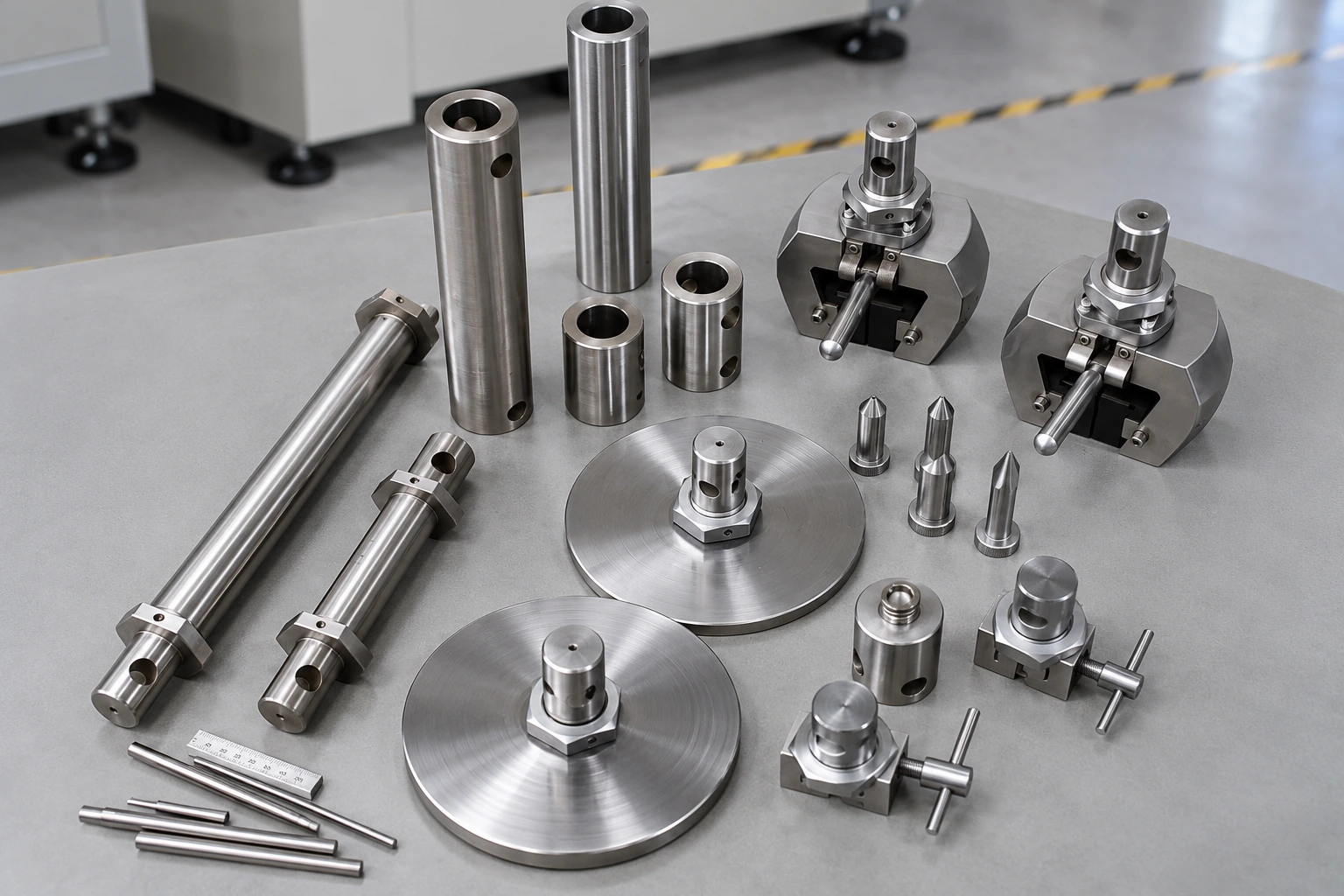
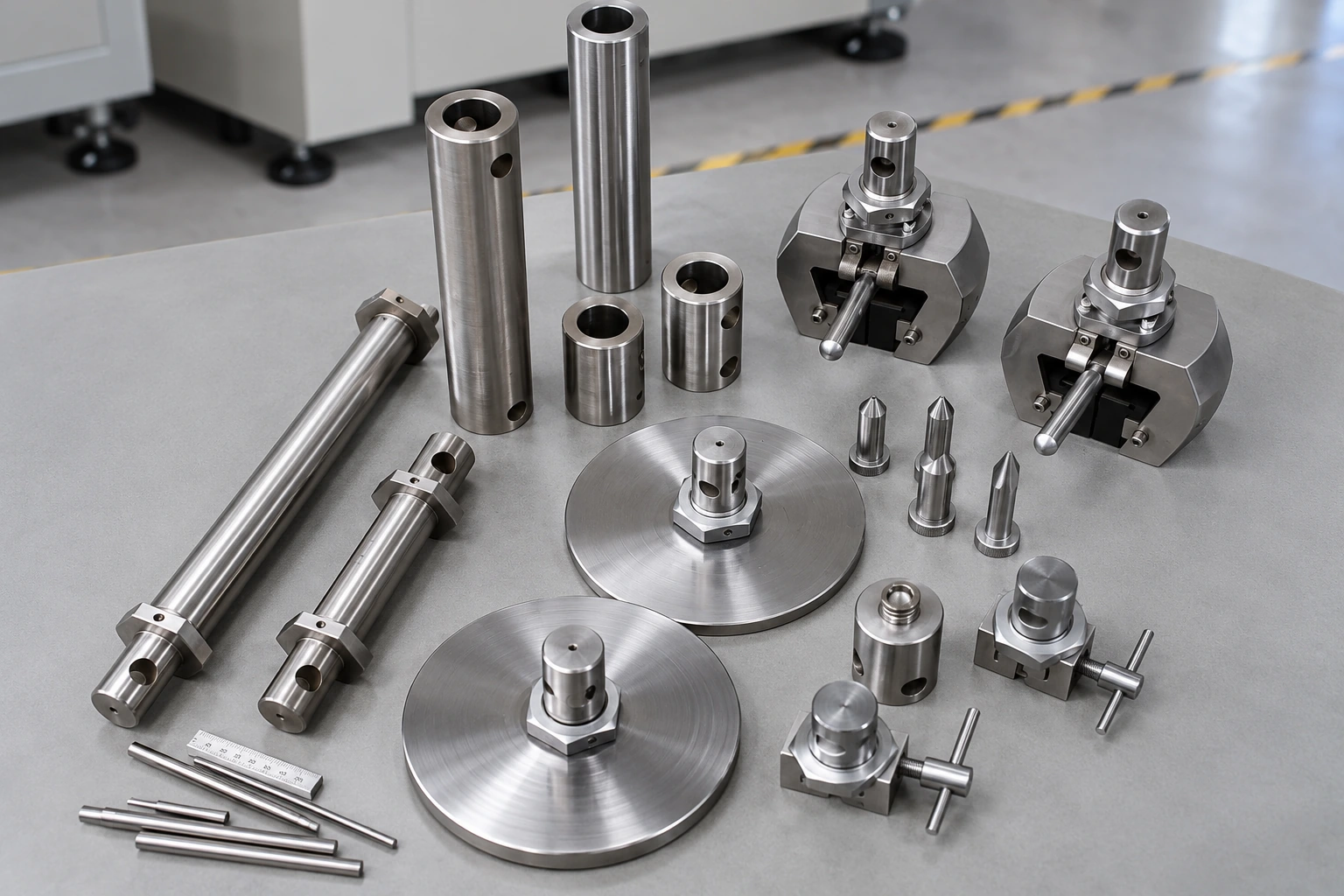
Grips, Fixtures & Optional Accessories
The performance of a temperature-controlled mechanical testing system depends on the compatibility of its loading components, specimen fixtures and measurement accessories.
ITM-LAB provides different accessory configurations to accommodate material properties, specimen geometry, required temperature conditions and applicable test methods.
The appropriate accessories should be selected according to the test method, specimen dimensions, expected force and operating temperature. Custom fixtures can be evaluated for specialized testing requirements.
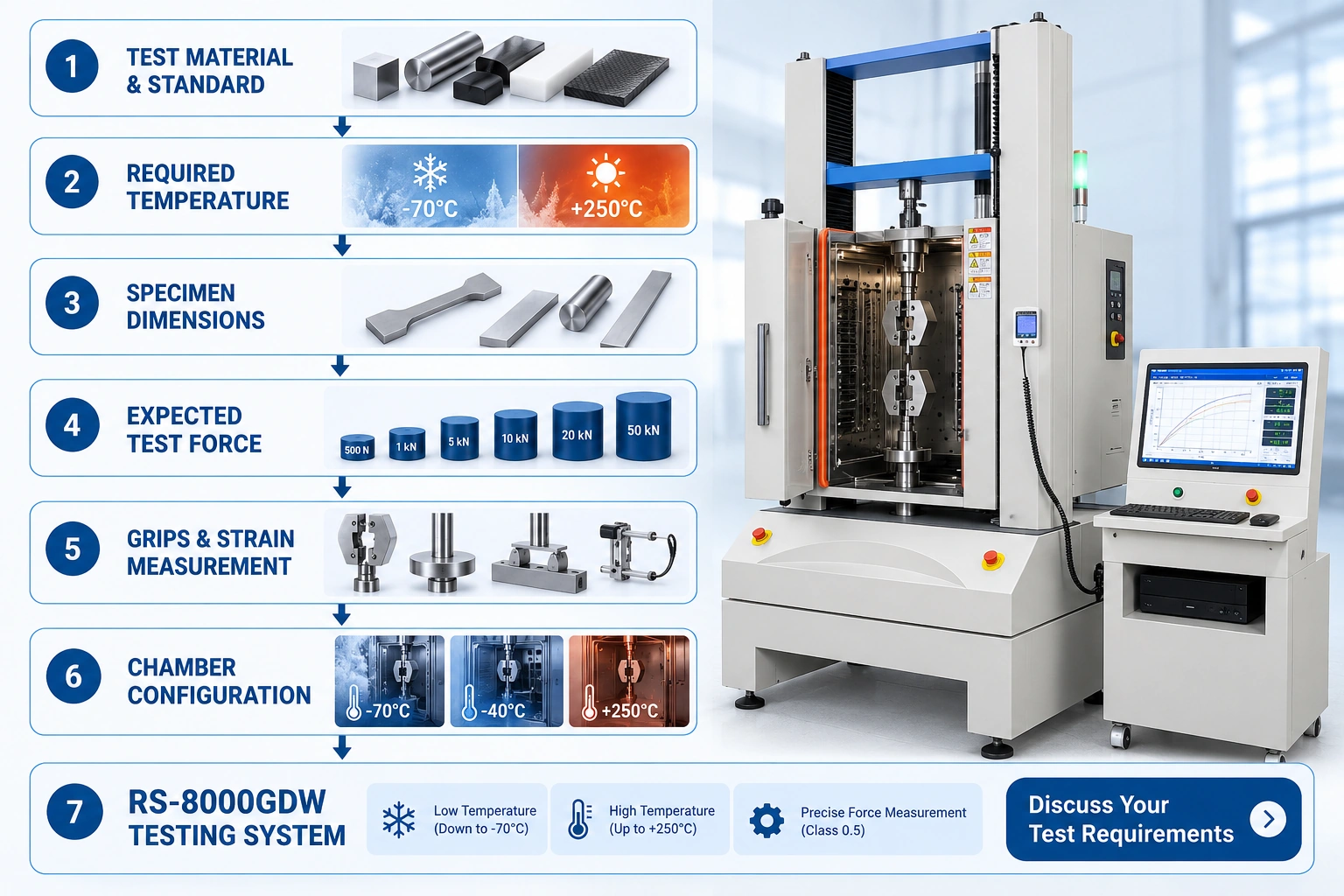
Configuring the Right Testing System
Selecting a high and low temperature universal testing machine requires the mechanical loading system, environmental chamber and specimen accessories to be considered together.
The required temperature range determines the environmental configuration, while the expected working force and specimen geometry influence load cell and fixture selection. Tests requiring direct strain measurement may also need a compatible extensometer.
Before selecting a system, the following information should be confirmed:
Selection Factor
Information Required
Test Material
Metal, Plastic, Rubber, Composite or Other
Test Method
Tensile, Compression, Bending, Peel, Shear or Tear
Applicable Standard
ASTM, ISO, GB or Customer-specific Procedure
Temperature Requirements
Minimum and Maximum Test Temperature
Expected Test Force
Working Force and Maximum Expected Load
Specimen Dimensions
Length, Width, Thickness and Gauge Length
Gripping Requirements
Specimen Type and Required Fixture
Strain Measurement
Extensometer Requirements
Chamber Configuration
Internal Working Space and Specimen Conditioning
For applications outside standard configurations, ITM-LAB can evaluate customized chamber dimensions, grips, fixtures and other system requirements.
ITM-LAB Manufacturing & Engineering Support
Testing Equipment Configured for Your Application
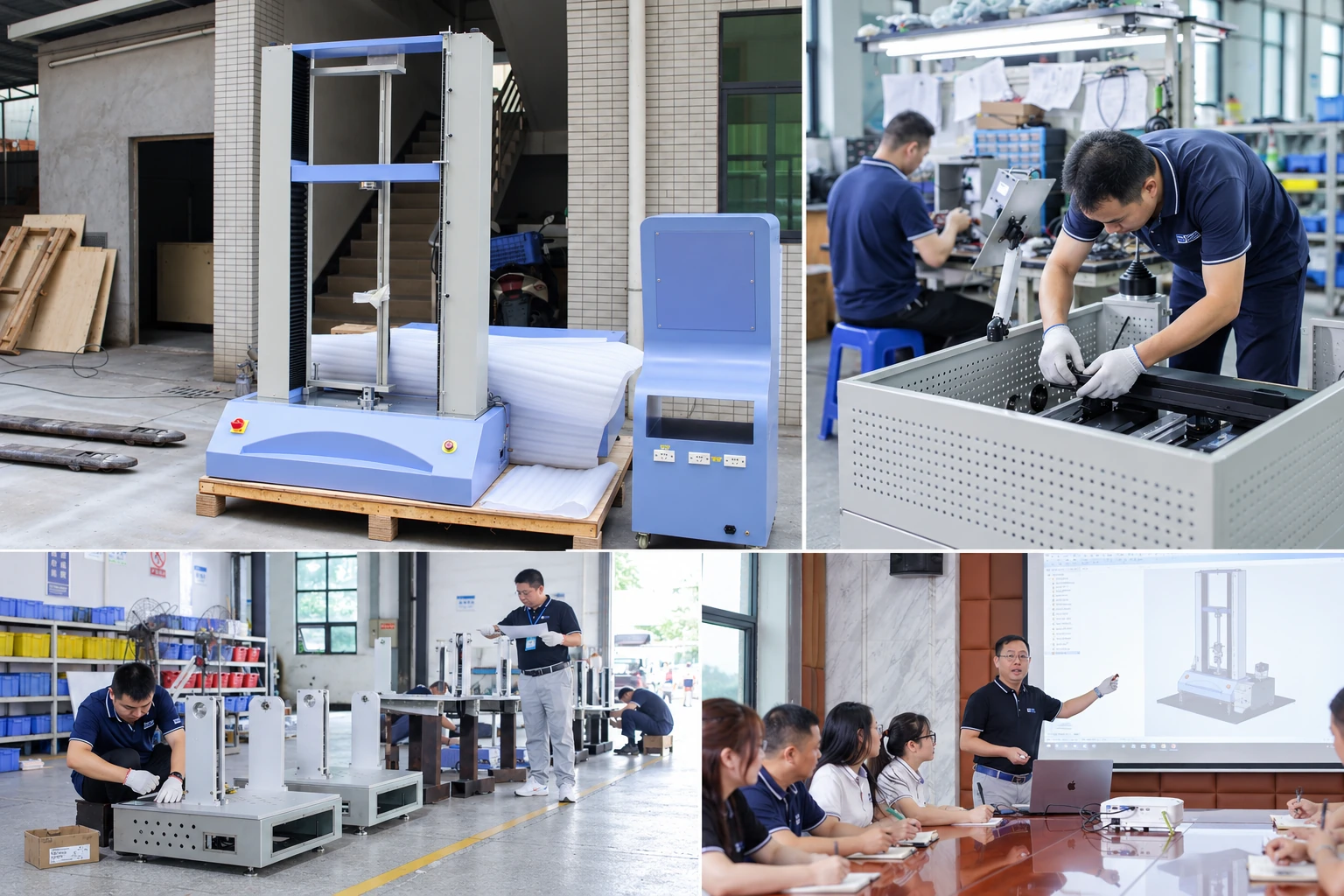
With 28 years of manufacturing experience, ITM-LAB provides mechanical testing equipment and customized laboratory testing solutions for industrial manufacturers, research institutions and quality control laboratories.
Our team supports customers with application-specific equipment selection, customized grips and fixtures, environmental chamber configuration, technical consultation, equipment installation and operator training.
Multilingual user interface options and after-sales technical support are also available to support customers across different markets.
Request a Configuration & Quotation
Tell Us What You Need to Test.
Looking for a high and low temperature universal testing machine for your material testing project?
Share your specimen details, target temperature, expected testing force and applicable standard with ITM-LAB. Our engineering and sales team can help evaluate a suitable system configuration for your application.
Environmental chamber for controlled high and low temperature testing.
What is the standard temperature range of the RS-8000GDW?
The standard RS-8000GDW configuration operates from –40°C to +150°C. Other models within the series provide different high- and low-temperature configurations, with customized solutions available subject to engineering evaluation.
Can the machine perform tensile testing at –70°C?
Yes. An appropriate extended low-temperature model can be selected for testing down to –70°C. The environmental chamber, grips and measurement accessories must be compatible with the required test conditions.
What is the maximum testing capacity?
The RS-8000GDW Series offers load cell capacities from 500 N to 50 kN. The appropriate capacity should be selected according to the expected working force and measurement requirements.
Can the machine test different materials?
Yes. The system supports mechanical testing of metals, plastics, rubber, composites and electronic materials when equipped with suitable grips, fixtures and measurement accessories.
Can the environmental chamber be customized?
Yes. Chamber dimensions and configurations can be customized according to specimen size, fixture requirements and target temperature conditions. The final configuration is subject to engineering confirmation.
What information is required for a quotation?
Please provide the test material, applicable standard, required temperature range, specimen dimensions, expected maximum force and preferred testing method. Specimen drawings or existing test procedures are also helpful when evaluating the appropriate configuration.